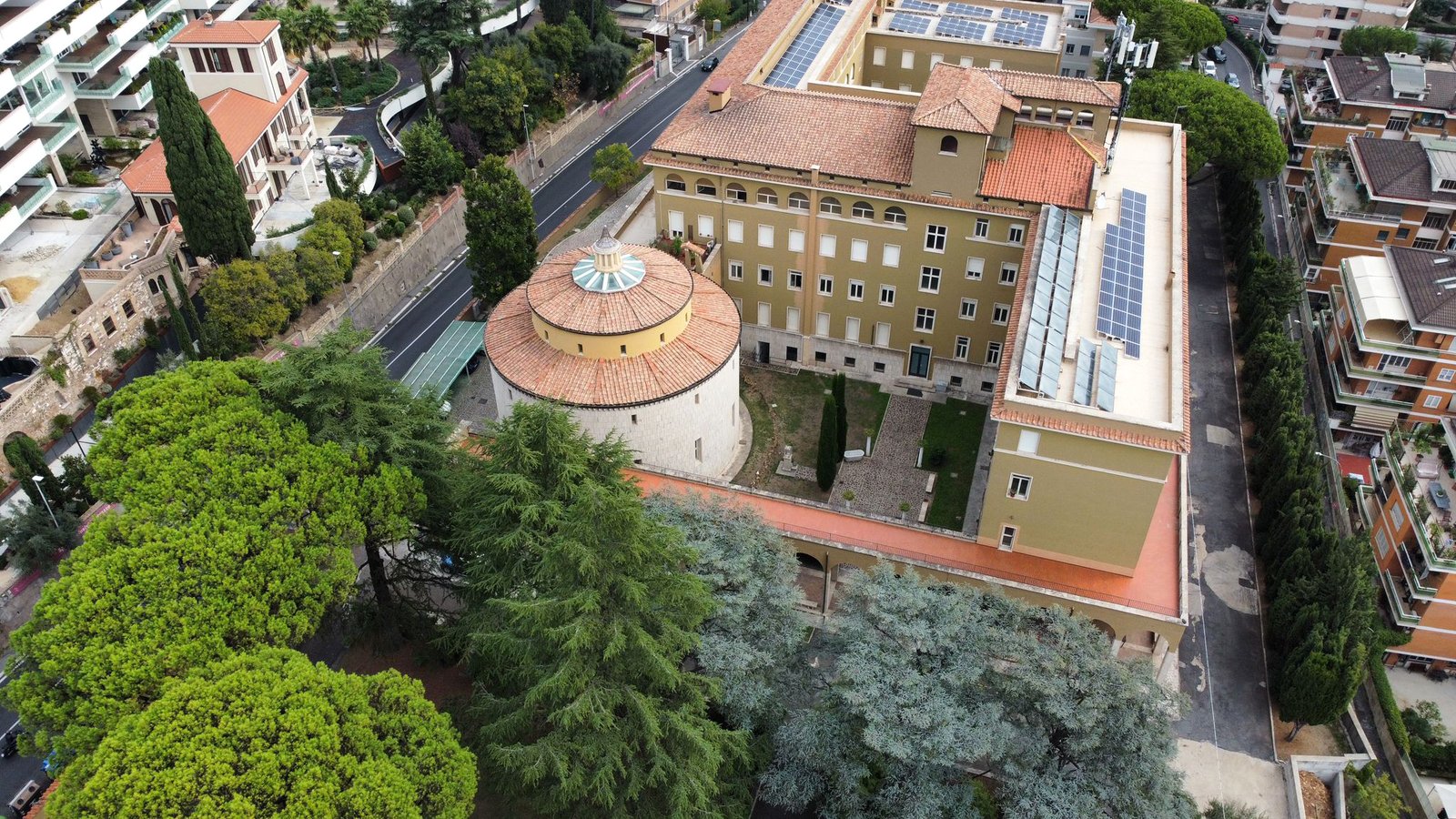
75 years of the Generalate of Missionaries of Africa
In front of the altar in the crypt of the General House is an inscription recounting the laying of its first stone on 28 May

In front of the altar in the crypt of the General House is an inscription recounting the laying of its first stone on 28 May
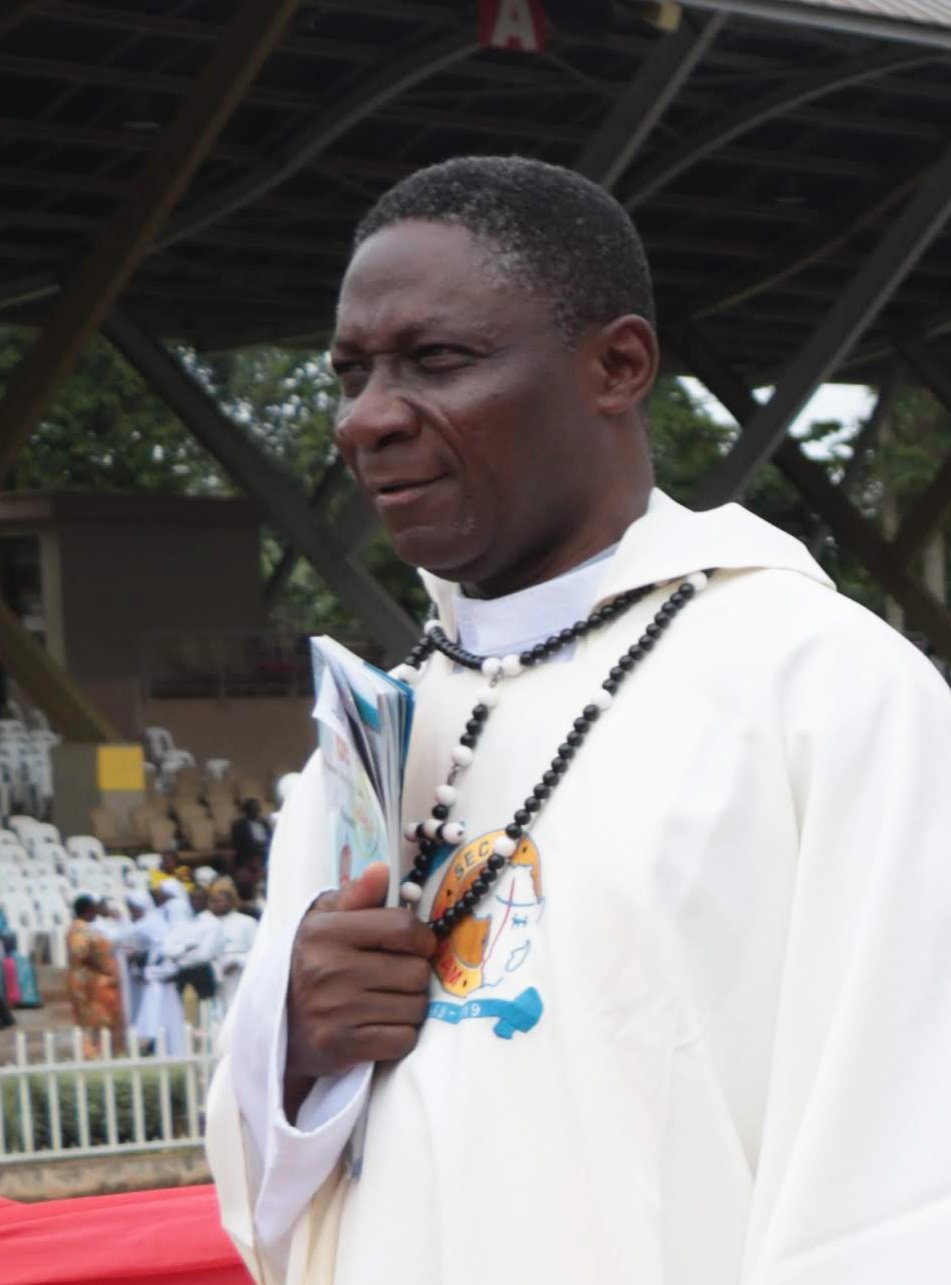
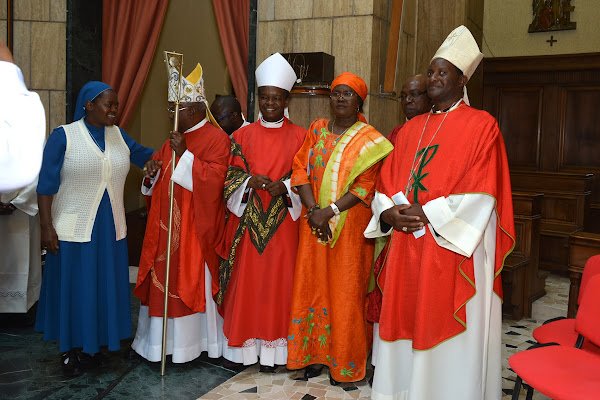
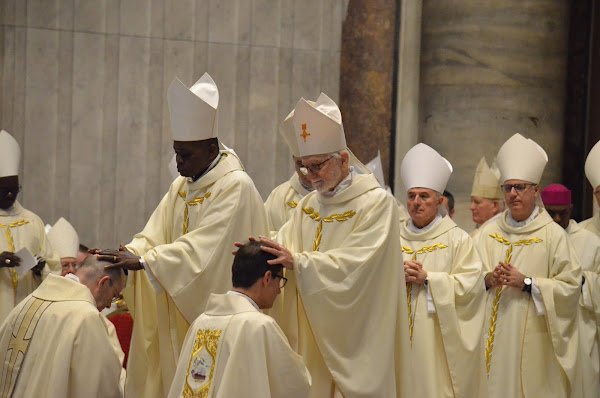
Ignatius Anipu est le cent-sixième Missionnaire d’Afrique nommé évêque. Il est le troisième Ghanéen, après Richard Baawobr et Francis Bomansaan. Il est le treizième Africain Missionnaire d’Afrique nommé évêque. Il est le premier Africain Missionnaire d’Afrique nommé évêque d’un diocèse situé en dehors de son pays d’origine. Tous les douze autres Africains Missionnaires d’Afrique ont été nommés évêques dans leurs pays d’origine.

Diego Ramón Sarrió Cucarella is the 105th Missionary of Africa appointed bishop (this number excludes the Founder). The first one was Léon Livinhac. He was appointed Apostolic Vicar of Victoria-Nyanza, Uganda and Titular Bishop of Pacandus on 15 June 1883 at the age of 36.
ROSE AGNÈS FOURTICOT (1779-1847) Rose Agnès, Cardinal Lavigerie’s grandmother, was born in Pau on January 21, 1779, in her parents’ home on “rue Nationale” (today

Karema had been a Belgian military station founded by Captain Emile Storms. In 1884 Captain Storms subsequently handed it over to the Missionaries of Africa who had arrived to evangelize the Vicariate of Tanganyika, when he returned to Europe. The Missionaries of Africa founded the village of Karema with five hundred redeemed slaves. The former Papal Zouave, Leopold Joubert, reached there in 1886 to offer protection. Dr. Adrian Atiman arrived in 1889 and remained the medical doctor and catechist until his death in 1956. His small house can still be seen close to the Church of Karema.
JOIN THE MEETING ZOOM HERE It is 130 years since Cardinal Lavigerie died, leaving behind two young Missionary Institutes (the White Fathers and the White
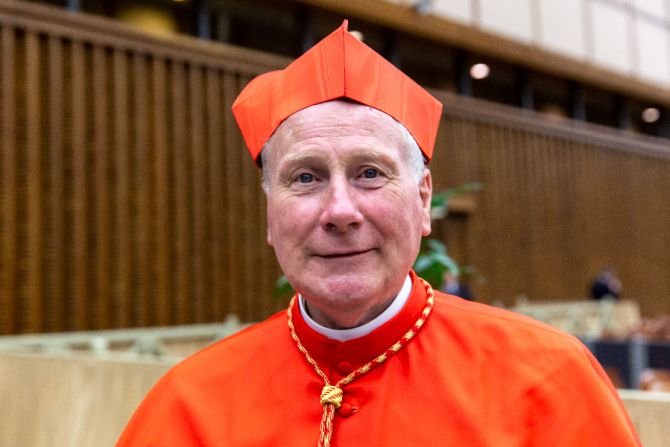
“I think it’s important that we listen to people and that we try to understand, because it is difficult to speak about racial discrimination,”
Below is the famous preface that Cardinal Lavigerie wrote in March 1884 for the publication of a collection of his pastoral writings. Beyond the style
On the occasion of the Feast of the Immaculate Conception, we publish again two articles of two former archivists on the origins of the statue